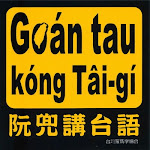


http://www.tailingua.com/resources/computing/input.php
Recommended:http://taigi.fhl.net/TaigiIME/
Showing posts with label Tâi-gí. Show all posts
Showing posts with label Tâi-gí. Show all posts
Friday, December 19, 2014

Wednesday, December 10, 2014
Sèng-tàn Cheh ê Koa : Pêng-an Mî
Pêng-an Mî - Silent Night
1.
Pêng-an mî! Sèng-tàn mî!
平安 冥,聖誕 冥
Pêng-an mî! Sèng-tàn mî!
平安 冥,聖誕 冥
Chin an-chēng! Chin kng-bên!
真 安靜 真 光明。
真 安靜 真 光明。
Kng chiò lāu-bú chiò Eng-hâi,
光 照 老母 照 嬰孩,
光 照 老母 照 嬰孩,
Chin un-sûn koh chin khó-ài
真 溫純 又 真 可愛。
真 溫純 又 真 可愛。
Siōng-tè sù an-bîn,
上帝 賜 安眠,
上帝 賜 安眠,
Siōng-tè sù an-bîn.
上帝 賜 安眠。
上帝 賜 安眠。
2.
Pêng-an mî! Sèng-tàn mî!
平安 冥﹗聖誕 冥!
Pêng-an mî! Sèng-tàn mî!
平安 冥﹗聖誕 冥!
Chèng bo̍k-chiá tōa kiaⁿ-hiâⁿ,
眾 牧者 大 驚惶
眾 牧者 大 驚惶
Hut-jiân thiⁿ-téng kng iàⁿ-iàⁿ,
忽然 天頂 光映映
忽然 天頂 光映映
Thian-kun chhiùⁿ Ha-le-lu-iah,
天軍 唱 哈利路亞。
天軍 唱 哈利路亞。
Kim-mî Chú kàng-seng.
今冥 主 降生
今冥 主 降生
Kim-mî Chú kàng-seng.
今冥 主 降生
今冥 主 降生
3.
Pêng-an mî! Sèng-tàn mî!
平安 冥﹗聖誕 冥!
Pêng-an mî! Sèng-tàn mî!
平安 冥﹗聖誕 冥!
Sèng Eng-jî súi bô pí,
聖 嬰兒 美 無 比
聖 嬰兒 美 無 比
Bīn-māu êng-kng chiò sì-hng,
面貌 榮光 照 四方
面貌 榮光 照 四方
Kiù-sio̍k un-tián ke̍k chiâu-chn̂g,
救贖 恩典 極 齊全。
救贖 恩典 極 齊全。
Chú Iâ-so• kàng-sèng,
主 耶穌 降生
主 耶穌 降生
Chú Iâ-so• kàng-sèng.
主 耶穌 降生
主 耶穌 降生
Thursday, October 2, 2014
Heidelberg Catechism Question 1 in Taiwanese
Ki-tok-kàu Iàu-lí Būn-tap
1. Mn̄g: Lí siⁿ sí ê chin hok-khì sī cháiⁿ-iūⁿ?
Ìn: Góa put-lūn oa̍h put-lūn sí, seng-khu lêng-hûn m̄-sī sio̍k tī góa ka-kī, lóng-chóng sī sio̍k tī Iâ-so• Ki-tok.
I sī góa sêng-si̍t ê Kiù-chú, ū lâu I ê pó-huih it-chīn thòe-sio̍k góa ê chōe-kòa, kiù góa thoat-lī Mô•-kúi ê koân-sè; ko pó-hō• góa ke̍k siông-sè; hō• góa só• tú-tio̍h bān hāng ê tāi-chì, bô chi̍t hāng ōe sún-hāi góa, ta̍k hāng ōe lī-ek góa, lâi pang-chān góa tit-tio̍h kiù.
In-ūi án-ni-siⁿ I chiū siúⁿ-sù Sèng Sîn chòe chún-tǹg tī góa ê sim-lāi hō• góa thang chai ū éng-oán ê oa̍h, ia̍h hō• góa hoaⁿ-hí ho̍k-sāi I kàu chi̍t-sì-lâng,bô soah.
(Lm 14:7-9. 1 K 6:19-20. 1 K 3:23. Ksl 19:11. 1 P 1:18-19. 1 Ih 1:7, 3:8. H 2:14-15. Ih 6:39, 10:28-29. Lk 21:18. Mt 10:30. Lm8:28. 2 K1:22, 5:5. 2 Tm 1:12. Lm 8: 24., 7:22. Ih 10:4.)
Thursday, March 20, 2014
Monday, March 3, 2014
N̂g-kim Siang Káng, Hēng-hok Hái-kîⁿ [ 黃金雙港 幸福海墘 ] - 張逸嫻 Tiuⁿ La̍t-hân
張逸嫻 Tiunn Ia̍t-hân
黃金雙港 幸福海墘
N̂g-kim siang káng, hīng-hok Hái-kînn
----------------------
大安舊名海翁窟,歷史輝煌有藝術。
Tāi-an kū miâ Hái-ang-khut, li̍k-sú hui-hông ū gē-su̍t.
外海航行的船隻,看見海翁的尻脊,
guā-hái hâng hîng ê tsûn tsiah,khuànn kìnn hái-ang ê kha-tsiah,
隨後倚近詳細看,原來就是鐵砧山。
Suî āu uá kīn siông sè khuànn,guân lâi tiō sī Thi̍h-tiam-suann.
落尾閣叫螺絲港,親像一隻海螺殼,
Lo̍h-bué koh kiò lōo-si-káng, ,tshin tshiūnn tsi̍t tsiah hái-lê-khak.
大船出入揣路縫,船隻安全來靠港。
tuā-tsûn tshu̍t-ji̍p tshuē lōo phāng,tsûn tsiah an-tsuân lâi khò káng.
大安海墘塭寮庄,美麗海岸長長長,
Tāi -an Hái-kînn Ùn-liâu-tsng,bí lē hái huann tn̂g-tn̂g-tn̂g.
溪口塭寮紅樹林,用心保育插插插,
Khe-kháu Ùn-liâu âng-tshiū-nâ,iōng sim pó iok tshah-tshah-tshah,
沙蟹花鮡海雷公,沙埔傱甲狂狂狂,
Sua-hē hue-thiàu hái-luî-kong,sua-poo tsông kah kông-kông-kông,
海岸寶貝水筆仔,生湠密密紅樹林,
Hái-huānn pó-puè tsuí-pit-á,sinn thuànn ba̍t-ba̍t âng- tshiū-nâ,
麻黃粿樹倒地鈴,毋驚風雨真正猛。
Muâ-hông kué-tshiū tò-tē-lîng,m̄ kiann hong hōo tsin tsiànn bíng,
蘆竹菅芒白翎鷥,看甲目睭瞇瞇瞇。
Lôo-tik kuann-bâng pe̍h-lîng-si,khuànn kah ba̍k-tsiu bi-bi-bi..
濕地罕有真稀奇,珍貴大安水棕蓑,
Sip-tē hán-iú tsin hi-kî,tin-kuì Tāi-an-tsuí-tsang-sui,
水鳥毛蟹賞袂離,夕陽留戀海連天。
tsuí-tsiáu môo-hē siúnn buē lī,sik-iông liû-luân hái liân thinn.
海墘國小荷花池,清新優雅好情意,
Hái-kînn-kok-sió hô-hue-tî,tshing-sin iu-ngá hó tsîng ì,
白荷愛媠滾紅墘,通人呵咾無地比。
Pe̍h-hô ài suí kún âng kînn,thong lâng o-ló bô tè pí.
生態保育有用心,歡迎貴客來光臨,
Sing-thài pó-iok ū iōng-sim,huan-gîng kuì-kheh lâi kong-lîm,
黃金雙港花上錦,幸福海墘歌詩吟。
N̂g-kim siang káng hua siōng gím,hīng-hok Hái- kînn kua si gîm.
Monday, January 21, 2013
Nî-nî-chhun

(「斗方」是書面語,各位先進若是知影台語口語按怎講,才拜託共
阮閣想來相添:
好年冬 hó-nî-tang
嫁好翁 kè-hó-ang
滿廳紅 muá-thiann-âng
大旺欉 tuā-ōng-tsâng
好育飼 hó-io-tshī
食百二 tsia̍h-pah-jī
好利市 hó-lī-tshī
國家治 kok-ka tī
大畚流 tuā-pūn-lâu
細畚滇 sè-pūn-tīnn
新年兜 sin-nî-tau
喜團圓 hí-tuânn/thuân-înn
- posted -- Cyril R. Vergnaud
Wednesday, January 16, 2013

Sunday, December 9, 2012
Friday, November 30, 2012


Thursday, November 15, 2012


Sunday, October 28, 2012
Monday, November 21, 2011
Friday, November 18, 2011
Koān-hē Lâng Boeh Chò Hó-gia̍h ê
Chèng peh-sìⁿ ah, lín lóng tio̍h thiaⁿ chit-ê,
Sè-chiūⁿ lóng-chóng khiā-khí ê peh-sìⁿ, lín tio̍h àⁿ hī-khang;
Bô-lūn hā-téng siōng-téng,
Hó-gia̍h sòng-hiong lóng tio̍h án-ni.
Góa ê chhùi beh kóng tì-hūi,
Góa ê sim só͘ siūⁿ sī thong-ta̍t.
Góa beh àⁿ hī-khang thiaⁿ phì-jū,
Góa beh ēng khîm kóe-bêng góa ê ò-biāu.
Kan-ok tè góa ê kha-aū-tiⁿ sì-bin ûi góa,
Tī chit-hō hoān-lān ê ji̍t góa mih-sái kiaⁿ?
Hiah ê oá-khò in ê sè-le̍k,
Khoa-kháu in ê pù-ū ê lâng,
Bô chi̍t-ê ū hoat-tō͘ thang sio̍k-hôe ka-kī ê hiaⁿ-tī,
Ia̍h bōe-ōe thòe i chiong sio̍k-hôe ê kè-chîⁿ hō͘ Siōng-tè ;
(In-ūi sio̍k-hôe in ê sìⁿ-miā ê kè-chîⁿ chin kùi,
Chí-ū éng-oán pàng-soah;)
Hō͘ i tn̂g-tn̂g oa̍h--teh,
Bô khòaⁿ-kìⁿ hiú-hoāi;
In-ūi i khòaⁿ-kìⁿ tì-hūi ê lâng sí,
Gû-gōng ê lâng, kap chhin-chhiūⁿ cheng-siⁿ hit-khoán ê lâng, ia̍h chòe-chi̍t-ē bia̍t-bô;
Lâu in ê chîⁿ-châi hō͘ pa̍t-lâng.
In sim-lāi siūⁿ in ê chhù beh éng-éng tī-teh,
In khiā-khí ê só͘-chāi beh kàu bān-tāi ;
In ēng ka-kī ê miâ lâi miâ ka-kī ê tōe.
Chóng-sī lâng tiàm tī chun-kùi ê tiong-kan, bōe kú-tn̂g ;
Chhin-chhiūⁿ oē sí ê cheng-siⁿ.
In kiâⁿ chit ê lō͘, sī in ê gōng ;
Chóng-sī in í-aū ê lâng iáu-kú lia̍h in ê oē chòe tio̍h. [Sè-la̍h]
Wednesday, October 19, 2011
Saturday, August 27, 2011
Thursday, July 21, 2011
Shoddy Governance
A recent Facebook post:
ū chi̍t-pái chē-kong-chhia ê sî-chūn, góa khòaⁿ-tio̍h chit-tiuⁿ tah-chóa, khòaⁿ-liáu liáu-āu góa kám-kak chin sim-sek, in-ūi 導盲犬 sī choan-bûn sa-bí-suh chhiⁿ-mî--ê hiong-chhin, kì-jiân sī chhiⁿ-m, tio̍h-sī khòaⁿ-bē-tio̍h, tah chit-tiuⁿ chóa mā-sī chin giâ-kê, jî-chhiáⁿ Eng-bûn hoan-e̍k mā-sī chin kî-kòai, m̄-chai-iáⁿ che beh hō͘ siáⁿ-lâng khòaⁿ...chèng-hú chò-tāi-chì ūi-siáⁿ-mi̍h chiah-ní-á lî-lî-lak-lak?
有一擺坐公車 ê 時陣, 我看著這張貼紙, 看了了後我感覺真心適, 因為導盲犬是專門sa-bí-suh 青盲ê 鄉親, 既然是青盲, 著是看bē著, 貼這張紙mā是真giâ枷, 而且英文翻譯mā-是真奇怪,m̄知影這欲hō͘啥人看 ...政府做代誌為啥物即呢仔哩哩落落?
There was a note I saw on the bus, it grabbed my attention immediately. The guide-dog was specialized to serve those who are visually disabled, since they cannot see, it’s pointless to bring owls to Athens, the English translating was weird, too; I wondered if anyone understood what it is...Why the government is so careless about the little tiny detail?
- Marcie Lee
Thursday, July 14, 2011
Wednesday, July 6, 2011
Monday, July 4, 2011
Remedies?
Excerpts from blogger Dan's comments:
I am worried. I live in South Taiwan. ... But most of the daily speakers are people over the age of 40, and more like around age 50. Below this age, the popularity of speaking Taiwanese drops off precipitously.
The kids at elementary school, i sometimes visit the Taiwanese one hour a week classes with my friend Teacher Hung, the kids for the most part speak Chinese 24/7.......maybe just 10 percent of the kids age 5 - 15 can speak Taiwanese now although more can HEAR IT when their parents or grandparents speak it. However, from my viewpoint on the ground as a non-PHD, i see a dyying language, like Yiddish was for the Jews of Europe who immigrated to America in the 1920s....their grandkids cannot speak Yiddish anymore and almost nobody writes or reads Yiddish in the USA anymore or Europe. It is a dead language.
I worry this will happen to Taiwanese too..... only academics and PHDS will continue to write in hoklo and read it.....BUT Hoklo will live on as a popular langauge on TV shows and in daily life, but it will lost ALOT with each generation and by the year 2100, i worry that Taiwanese will also be a dead language. with just a few choice words used in daily like like BUSASA and AMAH and AKONG and ABEI and AUTOBAI and ASAN and JABA BUREAI and JABA and maybe just 100 words. I just worry. I hope i am wrong.
posted by Mr Biko Lang and thanks, LO LAT
======================================
Aì Tâi-oân said...
Here are some practical suggestions that can all play a part:
Begin studying and using the language: suggestion: Maryknoll Language Institute
http://taiwan-id.blogspot.com/2009/07/finding-that-is-better-to-speak-more.html
Start posting updates on facebook, or other social media that have Taiwanese:
http://taiwan-id.blogspot.com/2010/09/posts-from-facebook-that-show-taiwanese.html
Other suggestions:
-------------------------
http://taiwan-id.blogspot.com/2009/04/ethnic-equality-can-only-come-through.html
http://taiwan-id.blogspot.com/2009/03/remedying-ignorance-taiwans-ecological.html
http://taiwan-id.blogspot.com/2009/02/international-mother-tongue-day.html
http://taiwan-id.blogspot.com/2008/11/high-and-rich-culture-in-non-mandarin.html
http://taiwan-id.blogspot.com/2008/07/dismissed-as-dialects.html
Friday, July 1, 2011
A New French Translation of the Value of Learning to Read and Write Taiwanese
New French translation by Cyril:
La valeur de l’apprentissage de la lecture et de l’écriture du taïwanais
– Ìn Chú-lia̍t (Joel H. Linton) – le 22 Mai 2007
Ha̍k-si̍p Tâi-gí Tha̍k Siá ê Kè-ta̍t
Aujourd’hui je vais vous parler de l’importance d’apprendre à lire et à écrire le taïwanais.
Kin-á-ji̍t góa boeh kap lín hun-hióng ha̍k-si̍p Tâi-gí ê tha̍k siá ê kè-ta̍t.
Les gens disent, “Oh parle simplement taïwanais avec tes grand-parents. Il n’y a pas besoin de lire et écrire en taïwanais.
Ū-lâng kóng, » Ò͘, nā ē-hiaú iōng Tâi-gí kap A-kong, A-má, kóng-oē, án-ne tō-hó.
M̄-bián ē-hiáu tha̍k koh siá Tâi-oân-oē. »
Q: Combien d’entre vous sont Hoklo? Combien sont d’origine Hakka? Aborigènes ? Enfants ou petits enfants d’immigrants?
Chioh mn̄g chi̍t-ê: lín siáⁿ-lâng sī Hō-ló-lâng? Kheh-lâng? Goân-chū-bîn? Iah siáⁿ-lâng sī tē jī tāi lâi-ê Tâi-oân-lâng?
Góa sī tē it tāi lâi-ê.
Qu’importe la langue, Il est important de l’écrire.
Chit-má, choân sè-kài, múi-chi̍t-ê gí-giân lóng tio̍h-aì tòng iōng jī siá–chhut-lâi. Lâng nā bē-hiáu kā i ê gí-giân iōng jī siá–chhut-lâi, án-ni aū-lâi ē-hiáu kóng ê lâng ē lú-lâi-lú chió.
Q: Combien d’entre vous on vu le film , “Le seigneur des anneaux”?
Chia it-tēng ū lâng khòaⁿ-kòe chi̍t chhut tiān-iáⁿ kiò-chò 魔 戒 The Lord of the Rings?
Ū khòaⁿ-kòe ê lâng, chhiaⁿ lín giâ chhiú.
Q: Combien ont lu le livre?
Kuí ê ū khòaⁿkòe hit pún chheh?
Ce livre a été écrit par un professeur de université d’Oxford. Son nom est J.R.R. Tolkien
Gû-tin-Tāi-ha̍k-ê kàu-siū — i ê miâ kiò-chò J.R.R. Tolkien — só͘-siá-ê hit pún 魔 戒 The Lord of the Rings.
Il était professeur de littérature anglo-saxonne.
I sī Anglo-Saxon Bûn-ha̍k-hē ê kàu-siū.
La langue anglo-saxonne est le nom d’origine de la langue anglaise .
Anglo-saxon sī í-chêng goân-pún ê Eng-gí.
Si J.R.R. Tolkien était né en Taïwan, il serait devenu un professeur de littérature Taïwanaise.
Góa siūⁿ, nā J.R.R. Tolkien m̄-sī Eng-kok-lâng; i ê chó͘-kok nā-sī Tâi-oân, i it-tēng ē chò Tâi-oân-oē Bûn-ha̍k ê kàu-siū.
La langue anglaise et le taïwanais ont une histoire similaire.
Eng-gí ê le̍k-sú kap Tâi-gí-ê chin chhin-chhiūⁿ.
Le peuple commençait juste à écrire dans leur langue et à développer une culture et une littérature quand Guillaume le conquérant envahit l’Angleterre .
Tùi Kong-goân Lio̍k-Khòng-Khòng Nî kàu Kong-goân Chi̍t-chheng Nî, Eng-kok-lâng ū hoat-khí Eng-bûn ê bûn-ha̍k. Liáu-aū, It-Khòng-Lio̍k-Lio̍k Nî ê-sî, gōa-kok ê thóng-tī-chiá William the Conquerer lâi-kàu Eng-kok.
La nouvelle monarchie parlait le français .
Hit-ê thóng-tī-chiá, in kóng Hoat-kok-oē.
Petit à petit, la littérature anglaise disparut.
Í-aū lú-lâi-lú bô lâng siūⁿ boeh iōng Eng-bûn siá-jī.
Cela eut une influence négative sur la culture et transforma la langue. Quand l’anglais fut utilisé à nouveau , il avait changé.
Chit hāng tāi-chì hō͘ Eng-gí ū bô hó ê éng-hióng.
Il se passa la même chose en Taïwan.
Tâi-oân ê le̍k-sú mā ū hoat-seng–kòe kāng-khoán ê tāi-chì.
Les Japonais vinrent en 1895. Ils forcèrent les Taïwanais à apprendre et utiliser le japonais à l’école durant 50 ans.
It-Pat-Kiú-Ngó͘ Nî ê-sî, Ji̍t-Pún-lâng lâi. Thóng-tī Tâi-oân gō͘-cha̍p nî, in kiông-pek Tâi-oân ê ha̍k-hāu kan-na ē-tàng iōng Ji̍t-pún-oē .
Ensuite vint la Republique de Chine (Chung Hwa Min Guo ) et tout le monde fut forcé à utiliser le chinois mandarin à l’école pendant plus de 50 ans.
Aū-lâi, Tiong-Hôa-Bîn-Kok lâi, koh gō͘-cha̍p nî bián-kióng Tâi-oân-lâng tī ha̍k-hāu kan-na ē-tàng iōng Hôa-gí .
Toutes les langues locales : taïwanais, hakka, et langues aborigènes furent supprimées.
In kìm-chí lâng iōng pún-thó͘-oē.
Cela affaiblit totalement la langue et la littérature taïwanaises.
Chit hāng tāi-chì m̄-nā kìm-chí Hō-ló-oē, Kheh-oē, kap múi chi̍t-cho̍k-ê goân-chū-bîn oē, mā hō͘ Tâi-oân ê gí-giân bûn-ha̍k kap bûn-hòa lú-lâi-lú jio̍k, lú-lâi-lú siau-sit-khì.
Le Professeur Tolkien écrivit des histoires pour restaurer la culture et la littérature anglo-saxones.
In-uī goân-pún ê Eng-kok bûn-hòa í-keng bô-khì, Eng-kok-ê hit-ê kàu-siū boeh hôe-ho̍k í-chêng ê Eng-kok bûn-hòa.
Só͘-í i siá 魔 戒 The Lord of the Rings hit pún chheh.
Même si Tolkien inventa des langues, la langue de la vidéo n’est pas son invention. c’est de l’anglo-saxon.
Sui-jiân Tolkien ka-tī chō sin-ê gí-giân, m̄-ku lán tú-tú thiaⁿ-ê m̄-sī i chō-ê. Hit-ê gí-giân sī Anglo-Saxon.
Tout l’enterrement illustre la culture anglo-saxonne. C’est merveilleux.
Lán khòaⁿ-tio̍h-ê sōng-lé, lâi-bin ū chin-chē Anglo-Saxon suí ê bûn-hòa.
Mais cette culture fut oubliée et l’on recommence a s’y intéresser seulement maintenant.
Chit-ê chiok suí ê bûn-hòa ū siau–sit-kòe. M̄-ku chòe-kīn koh khai-sí ū khòaⁿ-tio̍h.
Peut être pouvez vous avoir la même influence en Taïwan.
Lán chia khó-lêng ū chi̍t-koá ê lâng tùi Tâi-gí ē ū kāng-khoán ê éng-hióng.
Il est très important d’apprendre à lire et écrire le taïwanais.
Só͘-í nā ē-hiáu tha̍k koh siá Tâi-gí sī tùi lán aū-pái ū chin tōa-ê pang-chō͘, sī chin te̍k-pia̍t-ê.
Saviez vous que le taïwanais est une langue très littéraire?
Lín chai bô. Pún-lâi Tâi-gí sī chi̍t-ê ū bûn-ha̍k ê gí-giân.
Il est ironique que ce soit maintenant le langage parlé par les fermiers et les gens qui n’ont pas fait d’études.
Chim-á sóa piàn-chò sī bô tha̍k chheh, bô chuí-chún ê lâng, teh kóng-ê oē. Ū-iáⁿ thiⁿ chha tī tē. Chha chin-chē.
Savoir lire et écrire le taïwanais vous aidera à comprendre l’histoire de la langue et la culture.
Lán nā ū o̍h Tâi-gí àn-chóaⁿ siá, àn-chóaⁿ tha̍k, lán tō chai-iáⁿ hit jī sī àn-chóaⁿ lâi-ê, sī àn-chóaⁿ cho͘-sêng-ê.
L’histoire des langues Est-Asiatiques est très similaire à celle des langues Européenes.
Tang-A le̍k-sú kap Aū-chiu-ê chin chhin-chhiūⁿ.
Il y a plusieurs milliers d’années , l’empire Romain répandit le latin à travers l’Europe.
Nn̄g chheng nî-chêng, Lô-má tè-kok hō͘ La-teng-bûn tī Aū-chiu thôan-khoah (hoân-si̍t, seⁿ-thòaⁿ).
Ensuite, le latin se transforma en différentes langues telles l’italien,le français , l’espagnol ,etc.
Aū-lâi, La-teng-bûn hoat-tián piàn-chò chi̍t-kóa bô kāng-khoán ê gí-giân. Chhin-chhiūⁿ: Ì-tāi-lī-oē, Hoat-kok-oē, Se-pan-gâ-oē.
mais même avant 1700, les gens écrivaient toujours en latin meme s’ils parlaient une langue différente.
M̄-ku kàu It-Chhit-Khòng-Khòng Nî, lâng liân kóng pa̍t-ê gí-giân iā iáu iōng La-teng-bûn siá-jī.
Même d’autres langues (non-latines) comme l’anglais possèdent beaucoup de mots latins.
Sui-jiân Eng-gí m̄-sī tùi La-teng-bûn lâi-ê gí-giân, m̄-ku mā ū chin-chē jī sī tùi La-teng-bûn lâi-ê.
L’empire chinois s’étendit en Asie de l’Est.
Sio̍k Tang A-chiu Hàn-jîn-ê Tè-kok mā ū kāng-khóan ê éng-hióng.
En Asie de l’Est, le chinois classique se transforma en plusieurs langues distinctes telles le cantonais, le hakka et le min-nan.
Tī Tang A-chiu, bûn-giân-bûn hoat-tián piàn-chò chi̍t-kóa bô kāng-khoán ê gí-giân. Phì-jū-kóng: Kńg-tang-oē, Kheh-oē, kap Bân-lâm-oē.
Mais les gens écrivaient principalement en chinois classique.
M̄-ku, tōa-pō͘-hūn ē-tàng kā jī siá–chhut-lâi-ê lóng sī bûn-giân-jī.
Et aussi, beaucoup de mot du chinois classique furent empruntés par des langues non-chinoises comme le coréen.
Pa̍t-ê gí-giân, chhin-chhiūⁿ Hân-kok-oē, mā ū iōng chin-chē bûn-giân-jī.
Je suis né en Corée et je parle un peu le coréen.
Góa sī tī Hân-kok chhut-sì–ê. Góa ē-hiáu kóng chi̍t-sut-á Hân-kok-oē.
En arrivant en Taïwan , je fus très surpris d’entendre plusieurs mots qui ressemblaient à du coréen.
Chin chhú-pi, góa lâi Tâi-oân ê-sî, góa thiaⁿ-kòe chin-chē chin sêng Hân-kok-oē ê Tâi-oân-oē.
Le coréen et le taïwanais ont conservé les sons des consonnes et des voyelles du chinois classique. Ces sons n’existent plus en mandarin.
Hân-kok-oē kap Tâi-oân-oē iáu ū bûn-giân goân-pún ê chú-im kap bó-im ê hoat-im. M̄-ku hôa-gí í-keng bô hit ê siaⁿ. Chim-á ê Tiong-bûn kap bûn-giân-bûn í-keng bô kāng-khoán–a.
Les Coréens ont aussi concervé l’usage des caracteres du chinois classique. Les Taïwanais aussi. mais le mandarin lui, s’est transformé.
Hân-kok-oē kap Tâi-oân-oē iōng ê Hàn-jī sī guân-pún iōng ē Hàn-jī. Chim-á ê Tiong-bûn iōng-ê Hàn-jī chin-chē sī sin-chō-ê.
Lán só͘ kóng-ê chiah-ê gí-giân sī Tâi-bûn siōng-kīn kó͘-bûn.
Si vous lisez les poèmes de la dynastie Tang , vous vous rendrez compte que souvent les rymes sont meilleures en taïwanais que si vous lisez en mandarin. Les tons et les structures aussi y sont meilleures en taïwanais qu’en mandarin.
Lán nā iōng Tâi-gí tha̍k Tông-si, lán ē khah chheng-chhó thiaⁿ-tio̍h pêⁿ-im, tāng-im kap ūn ê kiàn-chō (kò͘-chō). Ū-sî-chun iōng Hôa-gí tha̍k, ūn ê kiàn͘-chō mā chheng-chhó, m̄-ku pêⁿ-im, tāng-im tō bô it-têng.
Le mandarin a 4 tons, le taïwanais en a 7. le mandarin en a perdu.
In-ūi Hôa-gí ê im-tiāu (koân-kē-im) chī ū sì-im. Tâi-gí ê im-tiāu ū chhit-im.
Le taïwanais a deux sortes de prononciation des caractères , littéraire ou normale.
Nā bòeh tha̍k Hàn-jī, Tâi-gí ū nn̄g khoán ê hoat-im tō-sī jī-im kap pe̍h-oē-im.
Et si vous savez écrire le taïwanais avec les caractères chinois vous découvrirez une belle et grande richesse culturelle.
Lán nā ē-hiáu iōng Hàn-jī siá Tâi-gí, lán ē-táng chai khah-chē bûn-hòa ê suí.
la romanisation (Lô-má-jī ) :
Q: Combien d’entre vous peuvent écrire en POJ?
Lán chia ū kúi-ê lâng ē-hiáu siá Tâi-gí iōng ê pe̍h-oē-jī?
C’est très bien si vous pouvez apprendre et utiliser la romanisation du taïwanais.
Nā lán o̍h àn-chóaⁿ iōng pe̍h-oē-jī siá Tâi-gí ū chi̍t-kóa chin hó ê chú-tê.
1. La romanisation montre les structures linguistiques propres à la langue taïwanaise qu’on ne peut voir avec les caractères.
1. Nā iōng Hàn-jī siá Tâi-gí, lán khòaⁿ–bē-chhut-lâi i ê gí-giân kiàn-chō (kò͘-chō). Nā iōng pe̍h-oē-jī lán ē-tàng chai-iáⁿ (chin chheng-chhó).
Je suis sur qu’il existe beaucoup d’autres relations structurelles en taïwanais et j’espère que votre classe va en decouvrir.
2. Même si le MOE (ministère de l’éducation) a crée un BoPoMoFo pour le taïwanais, cela aide seulement à prononcer les caractères mais n’est pas destine à l’écriture. Le système de romanisation est indépendant des caractères.
2. Lán ē-tàng bé Tâi-gí pe̍h-oē-jī ê chheh.
3. Comme en anglais, en taïwanais il y a de multiples contractions
3. Chhin-chhiūⁿ Eng-gí, chin-chē Tâi-gí jī ū nn̄g-ê-siaⁿ ha̍p-chò chi̍t-ê siaⁿ kóng.
les caractères chinois sont incapables de les exprimer.
Iōng Hàn-jī bô hoat-tō͘ siá hit hāng tāi-chì.
e.g. hō͘-lâng = hông niā-niā = niâ sì-cha̍p = sia̍p
Vous pouvez créer un projet en classe pour compiler toutes les contractions communes.
4. Utiliser les caracteres va souvent nous faire écrire le taïwanais de manière incorrecte parce nous sommes habitués aux mots en mandarin.
4. In-ūi ta̍k-ê í-keng si̍p-koàn iōng Hàn-jī siá Hôa-gí. Só͘-í lán khòaⁿ Hàn-jī kóng Tâi-gí ê-sî tiāⁿ-tiāⁿ kóng m̄-tio̍h.
5. La romanisation peut nous aider à comparer les accents régionaux. Les caracteres chinois ne peuvent pas nous aider à comparer les accents
Donc la Romanisation aide à la recherche et à la compréhension de la culture.
Mes beaux-parents sont d’ I-Lan, où les gens disent « chia̍h-puiⁿ » au lieu de » chia̍h-png. » et » mûiⁿ » au lieu de » mn̂g. »
6. Vous pouvez saisir la romanisation sur internet. J’ai un site qui montre comment saisir les tons.
Mais il y a une chose que vous ne devez pas oublier à propos de la romanisation.
Si vous savez prononcer la romanisation du taïwanais, vous savez que la prononciation de l’anglais est différente. L’anglais n’a pas un son consistant pour chaque lettre. Le système de romanisation taïwanais a son consistant pour chaque lettre.
Siá Tâi-gí iōng pe̍h-oē-jī ū chi̍t-ê ài kì-tit: Pe̍h-oē-jī ê hoat-im kap Eng-gí ê Lô-má-jī ê hoat-im bô kāng-khóan.
Alors j’ai développé une écriture phonétique basée sur celle de J.R.R. Tolkien qui exprime plus correctement la relation entre les différents sons.
Só͘-í, goá ū iōng ê sin-jī sī tùi J.R.R. Tolkien chō-ê sin-jī lâi-ê.
Chaque son correspond parfaitement.
Só͘-ū tùi Tolkien lâi-ê jī kan-na ū chi̍t-ê hoat-im niā-niā.
Et vous, qu’allez vous faire?
Chim-á, lín ū siūⁿ boeh chhòng-siàⁿ?
– Vous pouvez restaurer la culture et les langues de la Taïwan.
– Commencer à écrire en taïwanais.
– soumettre des articles à la version taïwanaise de wikipedia.
– Écrire des histoires concernant la culture taïwanaise comme Tolkien le fit pour la culture anglaise
Subscribe to:
Posts (Atom)